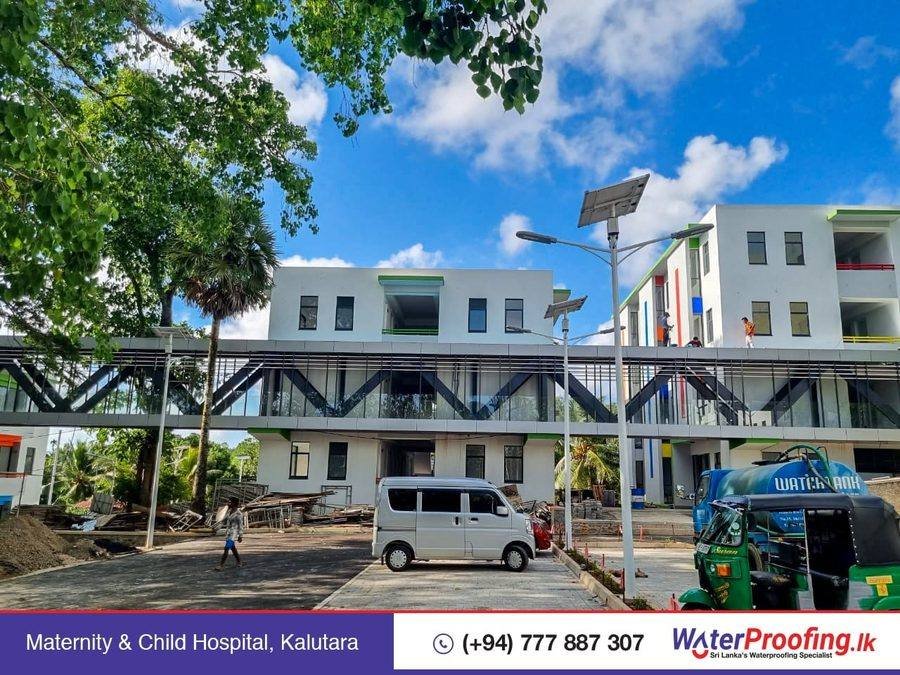
What is Waterproofing?
Waterproofing is the process of making a structure or surface resistant to the penetration of water. In construction, it is applied to roofs, walls, floors, basements, bathrooms, swimming pools and any surface exposed to water or moisture — protecting the building's structural integrity and preventing dampness, mold and deterioration.
💡 Key distinction: Waterproofing is not the same as water resistance. True waterproofing creates a completely impermeable barrier that permanently prevents water ingress — not just surface repellency.
Why Waterproofing is Critical in Sri Lanka
Sri Lanka's tropical climate creates some of the most demanding waterproofing conditions in the world. With two monsoon seasons and annual rainfall of 2,000–5,000mm, buildings are subjected to sustained hydrostatic water pressure that forces water through even hairline cracks.
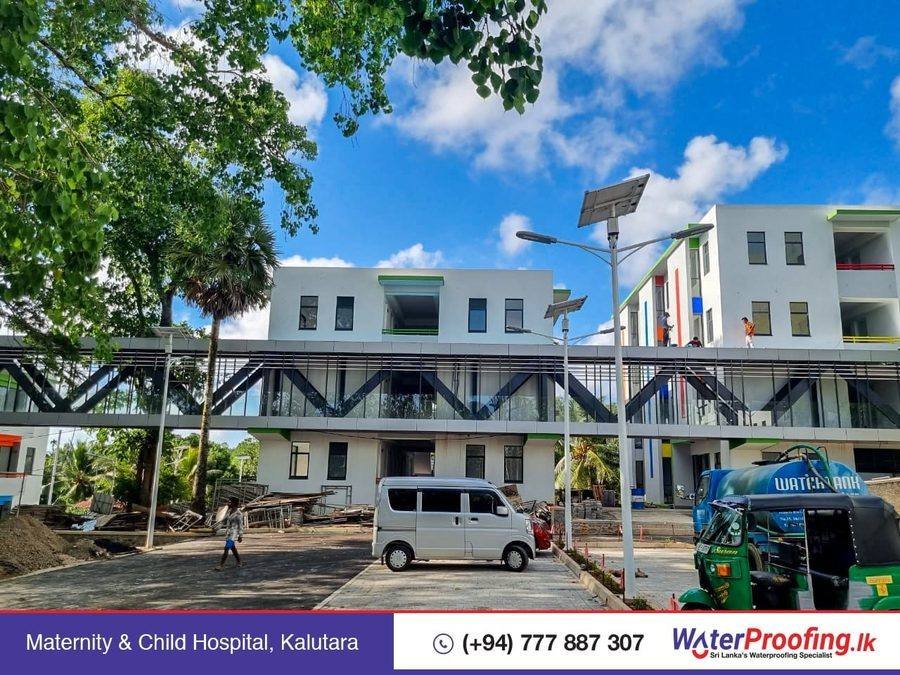
- Heavy monsoon rainfall — sustained rain creates hydrostatic pressure through micro-cracks
- High humidity (70–80%) — moisture permeates building materials causing damp even without direct rain
- Thermal cycling — daily temperature swings cause materials to expand and contract, opening micro-cracks
- Coastal salt air — accelerates corrosion of reinforcement steel and concrete degradation
Types of Waterproofing Systems
1. Flexible Cementitious Slurry
Two-component systems combining cement powder and liquid polymer that are mixed and applied by brush or trowel. The polymer component provides elasticity to bridge hairline cracks. Best for: bathrooms, roofs, water tanks. Example: Supercrete Duraflex Ultra — Sri Lanka's Award-Winning product.
2. Crystalline Waterproofing
Penetrates into concrete and forms insoluble crystals within the concrete pores — permanently blocking water pathways. Self-healing if micro-cracks form. Best for: foundations, tunnels, water-retaining structures. Example: Supercrete Duraseal XP.
3. Polyurethane (PU) Liquid Membrane
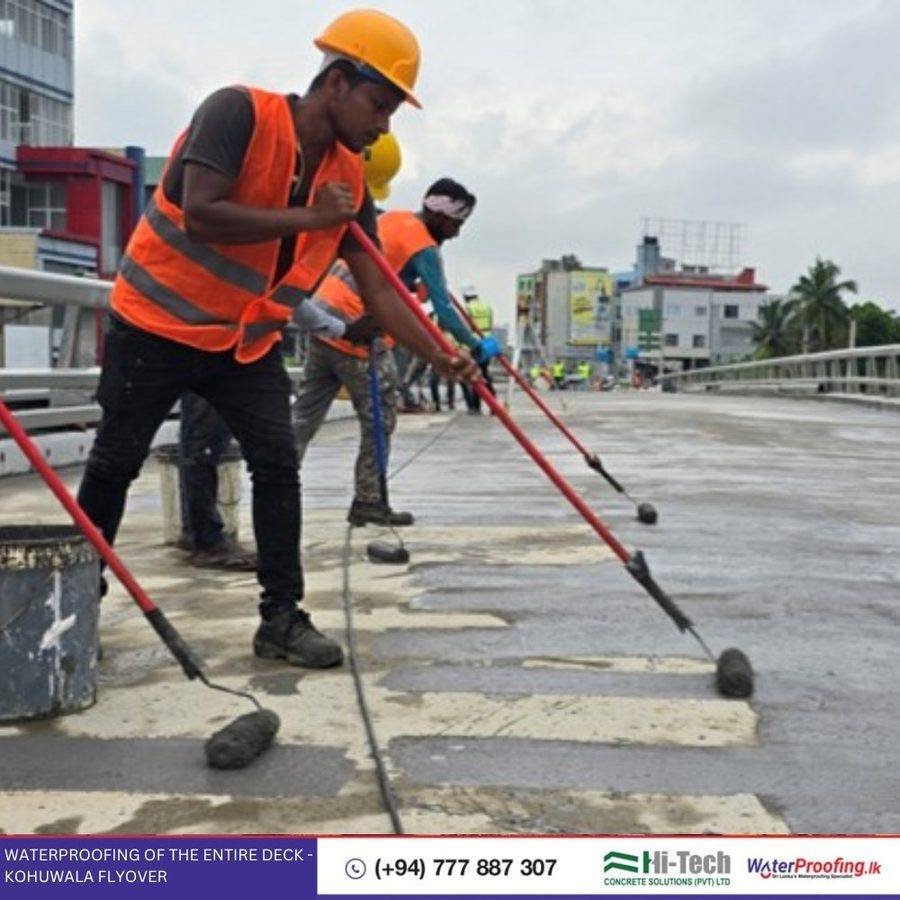
One-component liquid applied by brush or roller that cures to a seamless, flexible rubber membrane. Best for: exposed roofs, bridge decks, car parks. Example: Supercrete Duraproof PU 550.
4. PU Crack Injection
Polyurethane resin injected under pressure into active leaking cracks — stops water ingress immediately. Best for: existing structures with cracks. See our Crack Injection Service.
Where Waterproofing is Needed
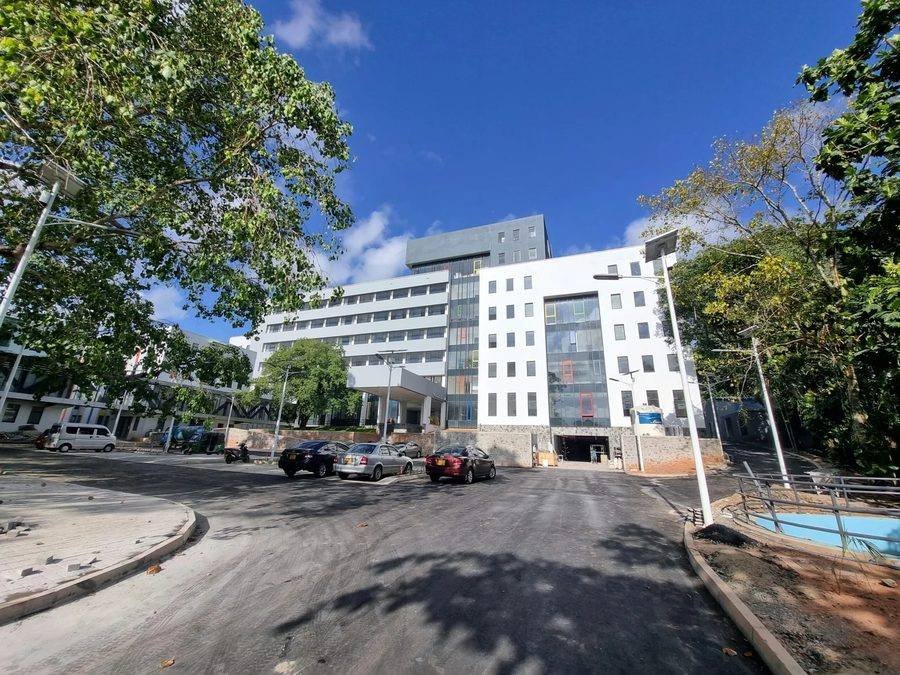
- Roof slabs — flat concrete roofs are the most common failure point in Sri Lanka
- Bathrooms & wet rooms — under-tile waterproofing prevents seepage to floors below
- Basements — hydrostatic water pressure from surrounding soil
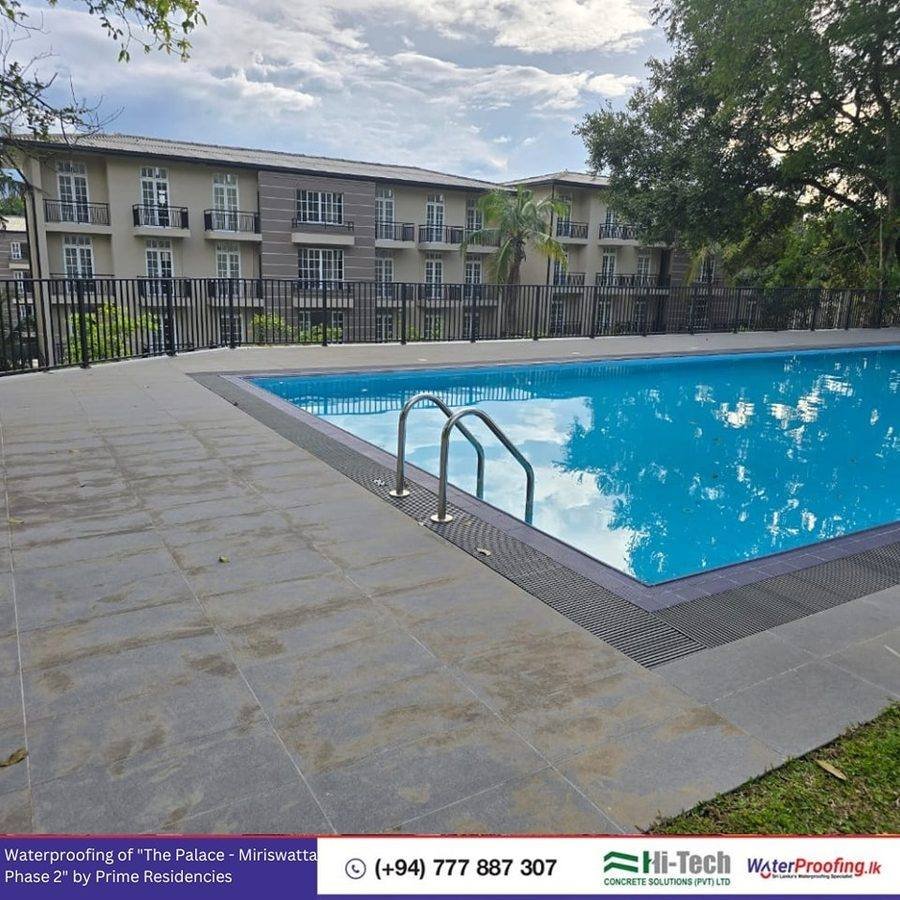
- Swimming pools — constant water contact and chemical exposure
- Bridges & flyovers — deck waterproofing protects structural concrete
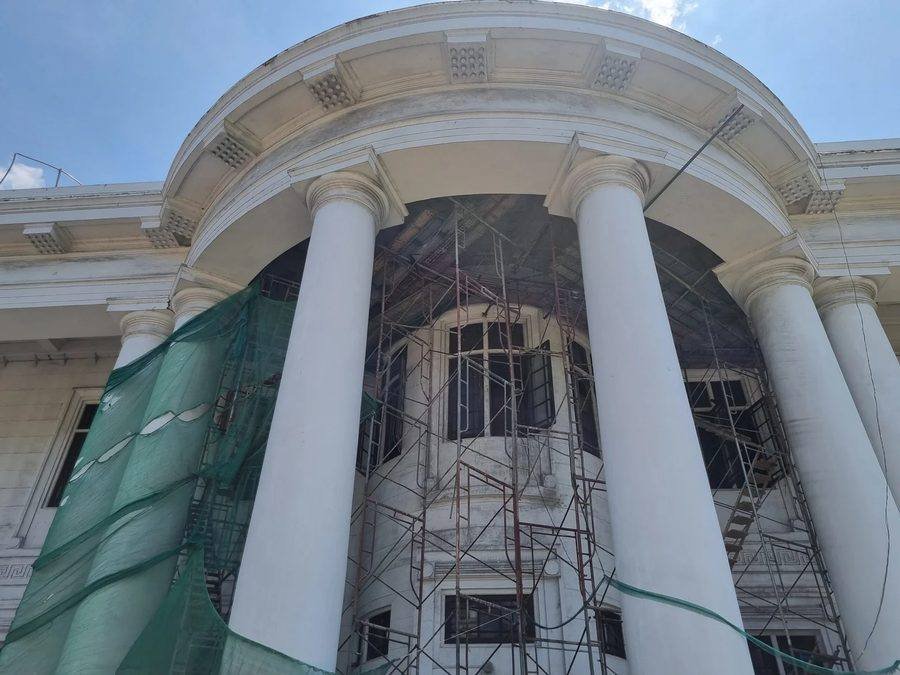
- Heritage buildings — sensitive restoration waterproofing for historic structures
Best Waterproofing Products in Sri Lanka
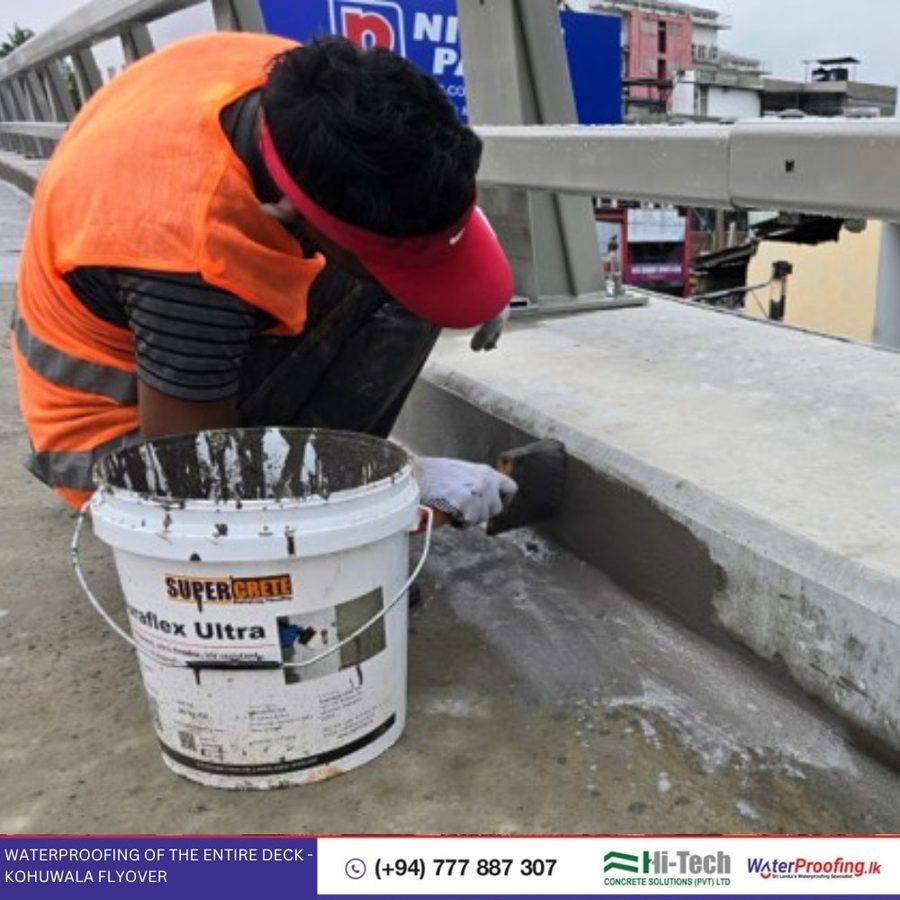
All premium waterproofing products from the Supercrete New Zealand range are exclusively applied by WaterProofing.lk (Hi-Tech Concrete Solutions) — Sri Lanka's only authorised Supercrete applicator:
- Duraflex Ultra — 🏆 Award Winner Architect 2025 — ultra-flexible titanium-modified system
- Duraseal XP — crystalline self-healing system, becomes part of the concrete
- Duraproof PU 550 — seamless polyurethane liquid membrane for exposed surfaces
- Duraproof AC 300 — elastic acrylic coating with UV cross-linking for walls
- Duraproof SB 40 — acrylic polymer waterproofing render for masonry
Cost of Waterproofing in Sri Lanka 2026
| Application | System | Price Range |
|---|---|---|
| Roof/Slab | Cementitious or PU membrane | Rs. 400–600/sqft |
| Bathroom | Flexible cementitious slurry | Rs. 350–500/sqft |
| Basement | Crystalline or 2-component | Rs. 600–850/sqft |
| Swimming Pool | Flexible + crystalline | Rs. 500–700/sqft |
| Bridge/Flyover Deck | PU liquid membrane | Project-based |
| Crack Injection | PU injection | Rs. 800–1,500/m |
⚠️ Important: These are approximate prices for certified professional application with a written warranty. Always get a formal site inspection and written quote before proceeding. Contact us for a free site inspection.
How to Choose a Waterproofing Contractor
- Check certification — ensure the contractor is certified by the product manufacturer. WaterProofing.lk is the only Supercrete NZ authorised applicator in Sri Lanka.
- Demand a written warranty — reputable contractors provide a minimum 5–10 year written warranty. Verbal warranties are unenforceable.
- Ask for project references — check completed projects. See our project portfolio.
- Get a free site inspection first — never agree to a price without a proper assessment.
- Avoid the cheapest quote — in waterproofing, cheap always means inferior materials or workmanship.
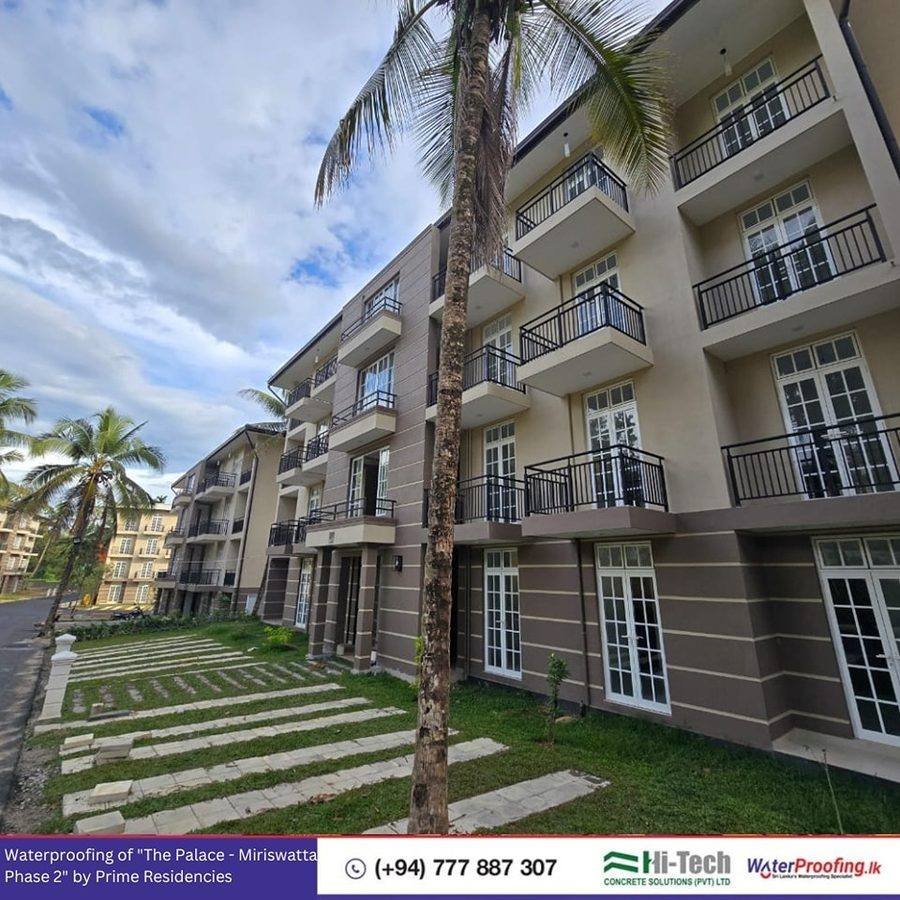
Real Waterproofing Projects in Sri Lanka
Frequently Asked Questions
Ready to Waterproof Your Building?
Free site inspection from Sri Lanka's #1 certified Supercrete NZ specialists. 10-year written warranty on every application.